
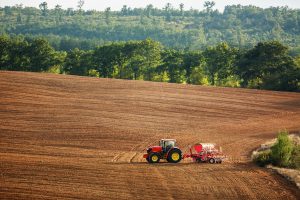
A tractor is only as reliable as the parts working behind the scenes, and few components are as central to smooth operation as the clutch. Whether a machine is pulling heavy implements across a field or switching between tasks on a mixed farm, the clutch is what keeps power delivery controlled and predictable. Tractor clutches come in several designs, each built to suit different workloads, operating styles, and machinery types. Understanding the differences between them helps farmers and operators make more informed decisions when it comes to maintenance, replacement, and overall tractor performance.
What a Tractor Clutch Actually Does
Before exploring the different types, it helps to understand the basic role a clutch plays. In simple terms, a clutch connects and disconnects the engine from the transmission. This allows the operator to change gears, control power delivery, and manoeuvre safely without stalling the engine or damaging the drivetrain. Every time a tractor pulls away from a standstill, changes speed, or engages a power take-off (PTO) implement, the clutch is doing its job quietly in the background. A well-functioning clutch makes field work smoother and protects other components from unnecessary strain.
The Single-Plate Clutch
The single-plate clutch is one of the most straightforward designs used in agricultural machinery. As the name suggests, it uses one friction plate to connect the engine and transmission. This simplicity makes it a cost-effective option that is relatively easy to service, which is part of why it became a common choice for older and smaller tractors. While it may not handle the heaviest of workloads, it performs reliably for light to moderate use, making it a practical solution for smaller farms or machines used for less demanding tasks.
The Multi-Plate Clutch
Where a single-plate design has its limits, the multi-plate clutch steps in to handle greater demands. By using several friction plates stacked together, this design can manage significantly more torque without overheating. The additional plates help distribute heat more effectively, which is especially useful during extended periods of heavy work. Multi-plate clutches are well-suited to modern agricultural machinery that regularly handles large implements or works through tough terrain. Their compact construction also means they fit neatly into the tighter spaces found in contemporary tractor designs.
The Dual-Stage Clutch
The dual-stage clutch, sometimes called a two-stage clutch, is a particularly practical design for farms that rely on PTO-driven equipment. It works through a single pedal that operates in two distinct stages. The first stage disengages the tractor’s drive, allowing the operator to stop movement or change gears, while the second stage cuts power to the PTO. This means the operator can control tractor movement and PTO engagement independently, all through one pedal. For anyone regularly working with mowers, balers, or sprayers, this level of control is a genuine advantage on a busy working day.
The Hydraulic Clutch
The hydraulic clutch moves away from the traditional cable-operated mechanism and instead uses hydraulic pressure to engage and disengage the drivetrain. This shift in design brings a noticeably smoother feel to clutch operation, with less physical effort required from the operator. Because hydraulic systems maintain consistent pressure, they tend to deliver more reliable performance across varying conditions. Tractors fitted with hydraulic clutches are often more comfortable to operate over long periods, which can make a meaningful difference during a full day in the field. This type of clutch is a common feature in mid-range and higher-specification machines.
The Electro-Hydraulic Clutch
The electro-hydraulic clutch represents the more advanced end of clutch technology available in modern tractors. It combines electronic control with hydraulic actuation, allowing for clutch-less shifting and a highly refined driving experience. The electronic component reads inputs and manages engagement automatically, reducing the manual effort involved in gear changes. Operators working long hours tend to notice a significant reduction in fatigue with these systems. While this type of clutch is more commonly found in newer, higher-specification tractors, it reflects how agricultural machinery continues to evolve in line with operator comfort and precision.
Choosing the Right Clutch for Your Tractor
Selecting the right clutch comes down to understanding what the tractor needs to do and how often it needs to do it. Heavier workloads generally call for multi-plate or dual-stage systems, while lighter applications may be well served by a single-plate design. Operators who regularly use PTO-driven implements will find the dual-stage clutch particularly well-suited to their needs. Those looking for a more comfortable operating experience may prefer the reduced pedal effort that comes with hydraulic or electro-hydraulic options.
Compatibility is also an important consideration, especially when sourcing aftermarket parts. For many popular makes, such as a John Deere tractor, checking that the replacement clutch matches the model’s specifications is essential before making a purchase. Our range of aftermarket clutch components is available nationally, offering a dependable and cost-effective alternative to OEM parts without compromising on quality.
Why Aftermarket Clutches Are Worth Considering
Aftermarket clutches have become an increasingly popular choice among farmers and operators looking for reliable replacements at a more accessible price point. High-quality aftermarket components are engineered to meet the performance demands of agricultural use, and they are often readily available for a wide range of tractor models, including older machines where original parts may be harder to source. Choosing aftermarket does not mean choosing compromise; it means finding a practical solution that keeps tractors working without unnecessary expense.
As your trusted national supplier of high-quality aftermarket tractor parts, we stock clutch components suitable for a broad range of makes and models, all available for delivery across the country.
If you would like guidance on finding the right clutch for your tractor, contact our team today, and we will be happy to help.
Disclaimer: Original equipment manufacturer (OEM) names and part numbers are used for reference purposes only. Their inclusion does not imply that our replacement parts are manufactured by the OEM.
Frequently Asked Questions
Is one type of clutch better than all the others?
Not exactly. Each design is built with a specific purpose in mind. The right clutch depends on the tractor model, the workload, and how the machine is used day to day.
Can an older tractor be fitted with a more modern clutch type?
In some cases, yes, but compatibility depends on the tractor’s design and drivetrain. It is worth checking the specifications carefully or consulting a specialist before making changes.
Are aftermarket clutch parts reliable for heavy agricultural use?
High-quality aftermarket parts are manufactured to perform under the same conditions as original components. Choosing a reputable supplier makes a significant difference in the quality and longevity of the part.
Do hydraulic and electro-hydraulic clutches require more maintenance?
These systems have different service requirements compared to mechanical designs, but they are not necessarily more demanding. Regular checks and servicing by someone familiar with the system will keep them performing well.
Can aftermarket clutch parts be sourced for less common tractor models?
Our national supply range covers a wide variety of tractor makes and models. Getting in touch with our team is the best way to confirm availability for a specific machine.